

How SaaS Companies Use Testimonial Videos to Build Trust in 2026
Key Takeaways
- Testimonial videos build trust faster than traditional advertising
- The best customer stories feel conversational — not scripted
- Interview-based content performs especially well for B2B and enterprise audiences
- Strong testimonial production combines storytelling, structure and emotional clarity
- Nordic brands increasingly use customer case study videos across LinkedIn, websites and conferences
In 2026, trust has become one of the most valuable assets in B2B marketing.
Software companies are competing in increasingly crowded markets where features alone are no longer enough to stand out. Most platforms promise efficiency, automation, scalability, or AI-driven workflows. From the outside, many products begin to sound similar.
That is exactly why testimonial videos and customer case studies have become such an important part of modern SaaS marketing.
People trust people.
A real customer explaining a real experience will almost always carry more weight than polished marketing copy. When done properly, testimonial videos reduce uncertainty, create emotional credibility, and help future clients understand how a product actually fits into everyday business operations.
At 5 ALIVE MEDIA, we work with SaaS and enterprise companies across Copenhagen and the Nordics to produce testimonial videos, customer stories, and interview-based content designed to feel clear, human, and trustworthy — not overly scripted.
Projects with companies such as Ramboll, Volue, and Connecteam x Museum of Illusions have reinforced the same pattern again and again:
The strongest testimonial videos are the ones that feel honest.
Why Testimonial Videos Matter More in 2026
Attention spans are shorter than ever, but skepticism is higher too.
Most decision-makers have learned to ignore generic marketing language. Claims like “industry-leading”, “innovative”, or “cutting-edge” no longer mean much without proof behind them.
This is where testimonial videos become powerful.
Instead of a company talking about itself, a customer explains:
- What problem they faced
- Why they chose the solution
- How implementation actually felt
- What changed afterwards
That shift changes the psychology completely.
According to Think with Google, audiences increasingly respond to content that feels useful, authentic, and experience-driven rather than heavily promotional.
For SaaS companies, this means testimonial videos are no longer “supporting content.” They are becoming part of the core sales and trust-building process.
Why SaaS Companies Prefer Video Over Written Case Studies
Written case studies still matter. But video adds something text cannot fully replicate: human presence.
You can hear hesitation, confidence, tone of voice, and emotional nuance. You can see body language and environment. All of these signals help viewers decide whether something feels believable.
This is especially important in B2B and SaaS environments where buyers are often making expensive, long-term decisions.
“The goal of a testimonial video is not perfection. It’s credibility.”
That credibility becomes even stronger when videos are captured in real environments rather than heavily staged setups.
The Best Testimonial Videos Don’t Feel Scripted
One of the biggest mistakes companies make is trying to control every word.
When interviews become overly scripted, viewers feel it immediately.
The strongest testimonial productions create structure without removing authenticity. That means:
- Preparing key themes instead of rigid scripts
- Helping speakers feel comfortable on camera
- Allowing natural phrasing and emotion
- Focusing on clarity rather than memorisation
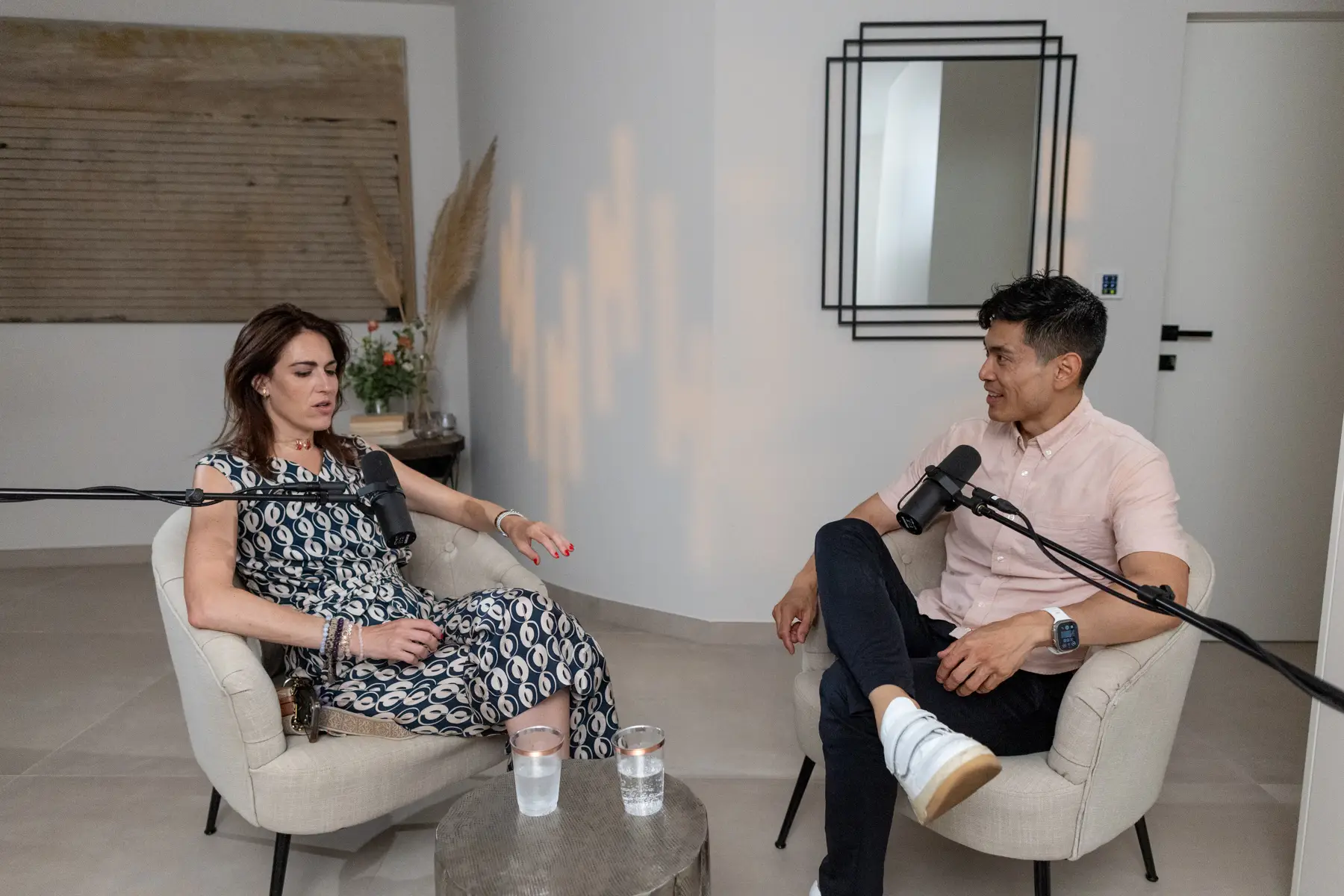
At 5 ALIVE MEDIA, we approach testimonial filming more like guided conversation than performance.
That balance matters, especially for executives, engineers, consultants, or operators who are not used to being on camera regularly.
In many cases, the strongest moments happen between prepared talking points.
Case Study Example: Connecteam x Museum of Illusions
A good example of this approach was our production with Connecteam and Museum of Illusions.
The focus was not simply to create a polished corporate video. The goal was to communicate a believable customer relationship and show how the platform integrated into real operations.
The production balanced:
- Interview storytelling
- Operational footage
- Human interaction
- Natural pacing
Projects like this show why customer story videos work so well for SaaS companies. Instead of explaining features in abstract terms, they demonstrate trust through experience.
Producing a testimonial or case study video in Copenhagen?
We help SaaS and enterprise brands produce customer stories that feel clear, credible and genuinely human — delivered in 3–7 business days.
How Nordic Companies Are Using Testimonial Videos
Across Copenhagen and the Nordics, more SaaS and enterprise companies are investing in interview-based content as part of their long-term communication strategy.
That includes:
- Customer success stories
- Leadership interviews
- Partner conversations
- Case study films
- Employer branding interviews
Companies are increasingly using these videos across:
- LinkedIn campaigns
- Conference presentations
- Sales outreach
- Websites and landing pages
- Investor communication
This is particularly visible in technology and infrastructure sectors, where trust and long-term relationships matter more than fast impulse decisions.
Our productions with companies such as Ramboll and Volue reinforced how important clarity and professionalism are in these environments. The goal is not exaggerated marketing energy — it is confidence, trust, and communication that feels grounded.
Why Production Quality Still Matters
Authenticity does not mean low quality.
Some brands misunderstand this and assume testimonial videos should feel rough or improvised. In reality, audiences still respond strongly to:
- Clear sound
- Good lighting
- Thoughtful framing
- Strong pacing
- Professional editing
The difference is that production should support the story — not overpower it.
This balance becomes especially important when testimonial videos are repurposed into social-first content or cut into shorter LinkedIn-focused edits.
Testimonial Videos Are Becoming Multi-Platform Content Systems
In 2026, SaaS companies rarely produce only one final export.
A single testimonial production can generate:
- Main customer story film
- LinkedIn snippets
- Vertical social edits
- Quote clips
- Photography assets
- Conference visuals
This is why planning matters so much before production begins.
The strongest productions are built around distribution from the start — not added later as an afterthought.
Why Human Storytelling Still Wins in the AI Era
AI tools are changing production workflows quickly.
Editing is faster. Translation and subtitles are easier. Content scaling is becoming more efficient.
But one thing still matters most: Do people believe what they are watching?
This is why testimonial videos remain so powerful.
Real customers speaking honestly about real experiences create a level of trust that AI-generated messaging alone cannot replicate.
Even companies like Google continue investing heavily in human-centered storytelling across the Nordics and Europe because trust remains central to communication.
Technology may support production — but credibility still comes from people.
Final Thoughts
For SaaS companies in Copenhagen and across the Nordics, testimonial videos are no longer optional supporting content.
They are becoming one of the clearest ways to build trust, reduce skepticism, and communicate value in a crowded market.
At 5 ALIVE MEDIA, we help SaaS and enterprise brands produce customer stories, testimonial films, and interview-based content that feels clear, credible, and genuinely human.
Planning a testimonial or case study production?
Tell us about your project — we’ll come back with a clear production plan and quote within 24 hours.

Roland Varsbergs
Rolands Varsbergs is the founder and Creative Director of 5 ALIVE MEDIA — a Copenhagen-based video production and photography agency. With 8+ years of production experience, he has directed and produced commercial films, event coverage and brand content for Google, Honda, Visit Denmark, TED and 100+ brands across Denmark and internationally. A certified drone pilot and Director of Photography, Rolands leads productions ranging from single-day corporate shoots to multi-day international events and studio commercial films.
Leave a Reply