

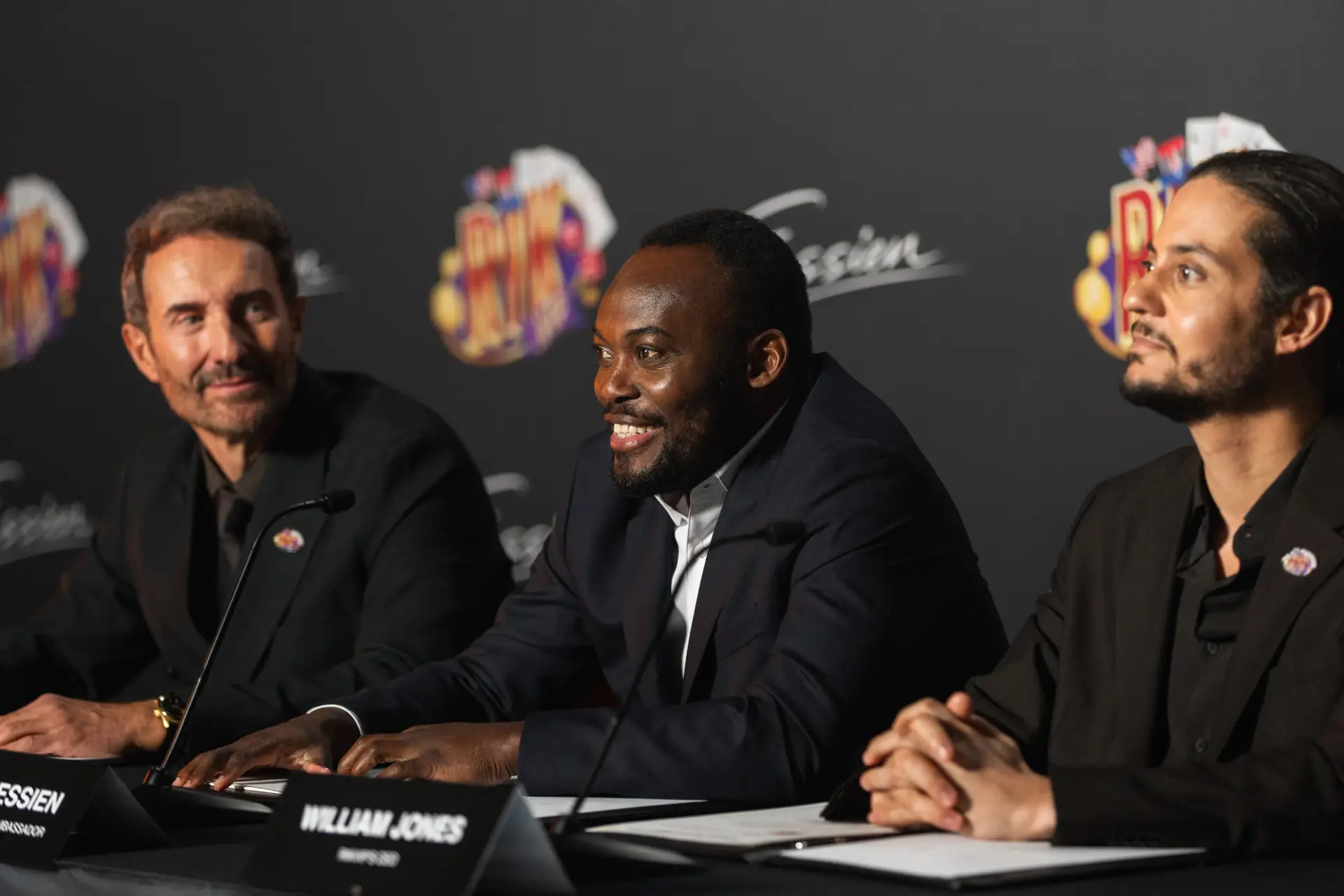
How We Produced a Commercial Film with Michael Essien in Copenhagen
We work across commercial campaigns, corporate storytelling, branded content, conferences, social-first productions, and studio-based film production. This project was a strong reminder of how modern production teams need to move between those worlds seamlessly.
Key takeaways
- Commercial productions are won during planning, not only on set
- Tight filming windows require clear prioritisation and crew coordination
- Modern campaign shoots often produce video, photography, and social content simultaneously
- Green screen assets significantly extend the value of a production
- Adaptability on set matters just as much as preparation
The Goal: More Than Just One Commercial Video
The project was designed as a complete content production — not simply a standalone hero film.
Alongside the main commercial, we also needed to capture:
- Short-form campaign edits
- Green screen assets for future flexibility
- Photography for campaign and marketing use
- Behind-the-scenes content
This reflects how modern commercial video production works in 2026. Brands no longer rely on one video alone. Productions now need to create flexible content ecosystems that can support multiple platforms and future campaigns.
The challenge is that all of this still needs to feel cohesive.
The visuals, pacing, and atmosphere cannot feel disconnected just because several outputs are being produced at once.
Why Filmstationen Was the Right Environment
The production took place at Filmstationen in Copenhagen, one of Denmark’s most established studio environments for film and commercial production.
The advantage of a controlled studio setup is not only visual quality — it is efficiency.
By building several setups inside one environment, we could move quickly between scenes without losing time on transport, resets, or major lighting rebuilds.
This became essential once the timeline tightened.
Productions like this are a good example of why studio filmmaking still matters, even in an era dominated by fast social content. Controlled lighting, sound, and environment create a level of consistency that is difficult to replicate in uncontrolled locations.
At the same time, the production still needed to feel dynamic and alive — not over-polished or artificial.
The Reality of a 5-Hour Production Window
Five hours sounds manageable until you divide it across multiple deliverables, lighting changes, creative adjustments, and coordination with talent.
That timeframe needed to cover:
- Main commercial filming
- Photography sessions
- Green screen capture
- Setup transitions
- Technical adjustments
- Creative direction on set
In productions like this, there is no room for confusion once filming starts.
Everything depends on preparation:
- Shot lists
- Storyboard structure
- Crew positioning
- Lighting flow
- Timing priorities
As we often explain to clients:
“Fast productions only work when the structure behind them is calm.”
This is closely connected to the wider video production timeline. What looks spontaneous on set is usually supported by hours of planning beforehand.
Balancing Commercial Precision with Human Energy
One of the biggest challenges in commercial filmmaking is creating something polished without making it feel lifeless.
For this production, the visual direction combined:
- Clean commercial framing
- Emotional pacing
- Digital overlays and phone UI graphics
- Green screen flexibility
- Strong branded finishing
At the same time, we wanted Michael Essien’s presence to feel authentic rather than overly scripted.
The strongest commercial productions usually happen when talent feels comfortable enough that the camera stops becoming the centre of attention.
That atmosphere is not created by equipment alone. It comes from crew communication, pacing on set, and the ability to adapt when things change.
Producing Photography and Video Simultaneously
Another important part of the production was capturing photography alongside video.
Increasingly, brands expect one production day to generate:
- Commercial film assets
- Social-first edits
- Campaign photography
- Website visuals
- Press and marketing material
When photography and video production are planned together properly, the workflow becomes significantly more efficient.
This is something we also explored in our article on social-first video production, where campaigns are no longer designed for a single format alone.
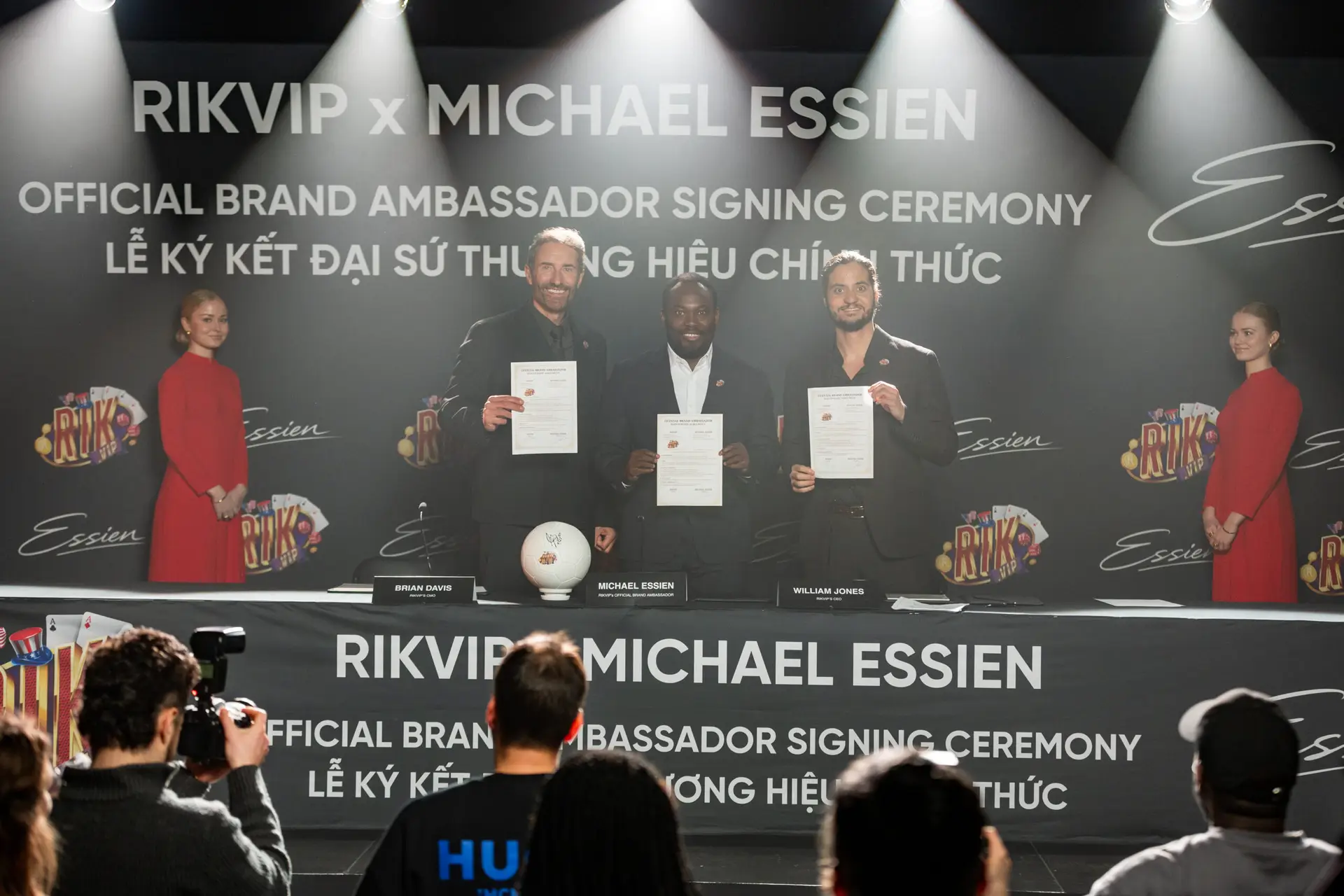
Why Behind-the-Scenes Content Matters
Behind-the-scenes content is no longer an afterthought.
For many productions, BTS material becomes part of the campaign itself. It helps audiences understand the scale, energy, and reality behind the final film.
For brands, this kind of content often performs well because it feels more human and less filtered.
It also strengthens trust.
People increasingly want to see how productions are actually made — not only the polished final result.
Post-Production: Where the Film Really Takes Shape
Like most commercial productions, the project continued evolving after the shoot wrapped.
Post-production involved multiple review rounds, pacing adjustments, sound design refinements, and structural edits.
The focus was not simply on making the film look cinematic. It was about making the story flow naturally while maintaining commercial clarity.
This included:
- Visual consistency between scenes
- Rhythm and pacing adjustments
- Audio balancing and sound design
- Integration of digital overlays and branding
- Alternative cuts for different formats
We handled feedback collaboratively through Frame.io, which allowed the process to stay structured even as expectations evolved.
That adaptability is often the difference between productions that feel stressful and productions that stay creatively focused.
What This Production Reinforced
Every commercial production reinforces something different.
This one reinforced how important it is to combine preparation with adaptability.
No matter how detailed the planning is, productions involving talent, multiple stakeholders, and tight timelines will always require on-set problem solving.
What matters is how the team responds to those moments.
“Commercial production is not about avoiding pressure. It’s about staying clear-headed inside it.”
It also reinforced something broader about where the industry is moving.
Brands increasingly need production partners who can move between commercial filmmaking, social-first content, photography, event production, and campaign systems without treating them as separate worlds.
That flexibility is becoming one of the most valuable parts of modern production.
Final Thoughts
This Michael Essien production was built inside a tight timeframe, with high expectations and multiple deliverables happening simultaneously.
But that is increasingly the reality of modern commercial production.
At 5 ALIVE MEDIA, we work across commercial campaigns, studio productions, branded storytelling, conferences, and large-scale content systems — helping brands create visuals that feel premium, human, and built for real-world distribution.
Planning a commercial production in Copenhagen?
Tell us your brief — we’ll come back with a production plan and quote within 24 hours.

Roland Varsbergs
Rolands Varsbergs is the founder and Creative Director of 5 ALIVE MEDIA — a Copenhagen-based video production and photography agency. With 8+ years of production experience, he has directed and produced commercial films, event coverage and brand content for Google, Honda, Visit Denmark, TED and 100+ brands across Denmark and internationally. A certified drone pilot and Director of Photography, Rolands leads productions ranging from single-day corporate shoots to multi-day international events and studio commercial films.
Leave a Reply