

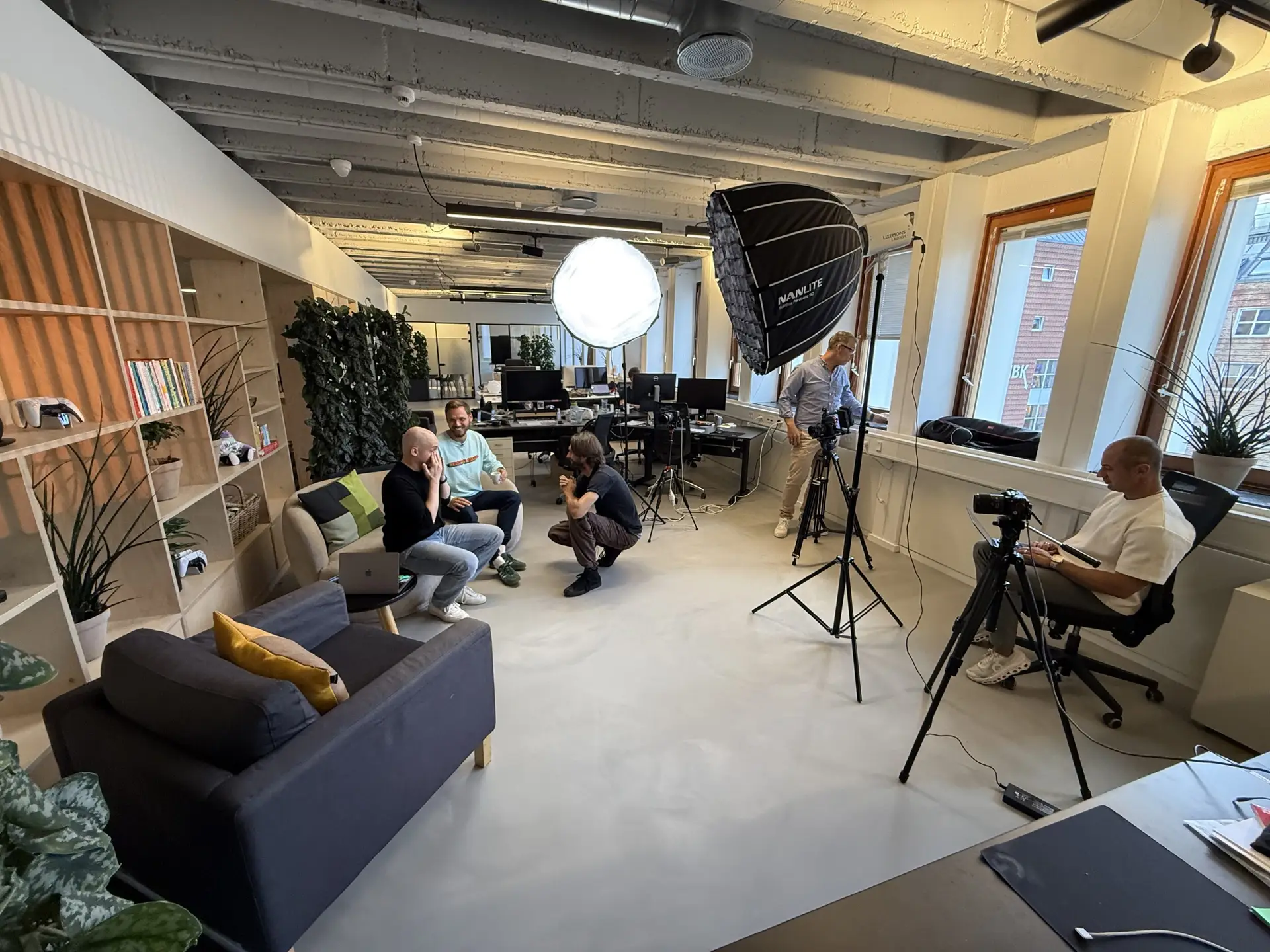
Video Production Timeline: How Long It Takes to Produce Enterprise Video
Key takeaways
- Enterprise video timelines are driven by planning, not filming alone
- Clear strategy shortens production and improves output
- Events can compress timelines if planned correctly
- Social-first thinking changes how quickly content is delivered
- Distribution planning should be part of the timeline
What Defines an Enterprise Video Production Timeline?
An enterprise video production timeline includes much more than shooting and editing.
In practice, timelines are shaped by:
- Stakeholder alignment and approvals
- Creative and messaging clarity
- Logistics and scheduling
- Distribution requirements
- Internal review cycles
The more clarity that exists upfront, the faster and smoother production becomes.
Phase 1: Strategy and Pre-Production (1–3 Weeks)
For enterprise brands, pre-production is not paperwork. It’s risk management.
This phase typically includes:
- Defining the purpose of the video
- Clarifying target audience and platforms
- Aligning stakeholders and decision-makers
- Developing a production plan and schedule
For social-first or multi-platform projects, this phase also determines formats, durations, and cutdowns.
This approach is central to how we work across corporate video production and enterprise workflows.
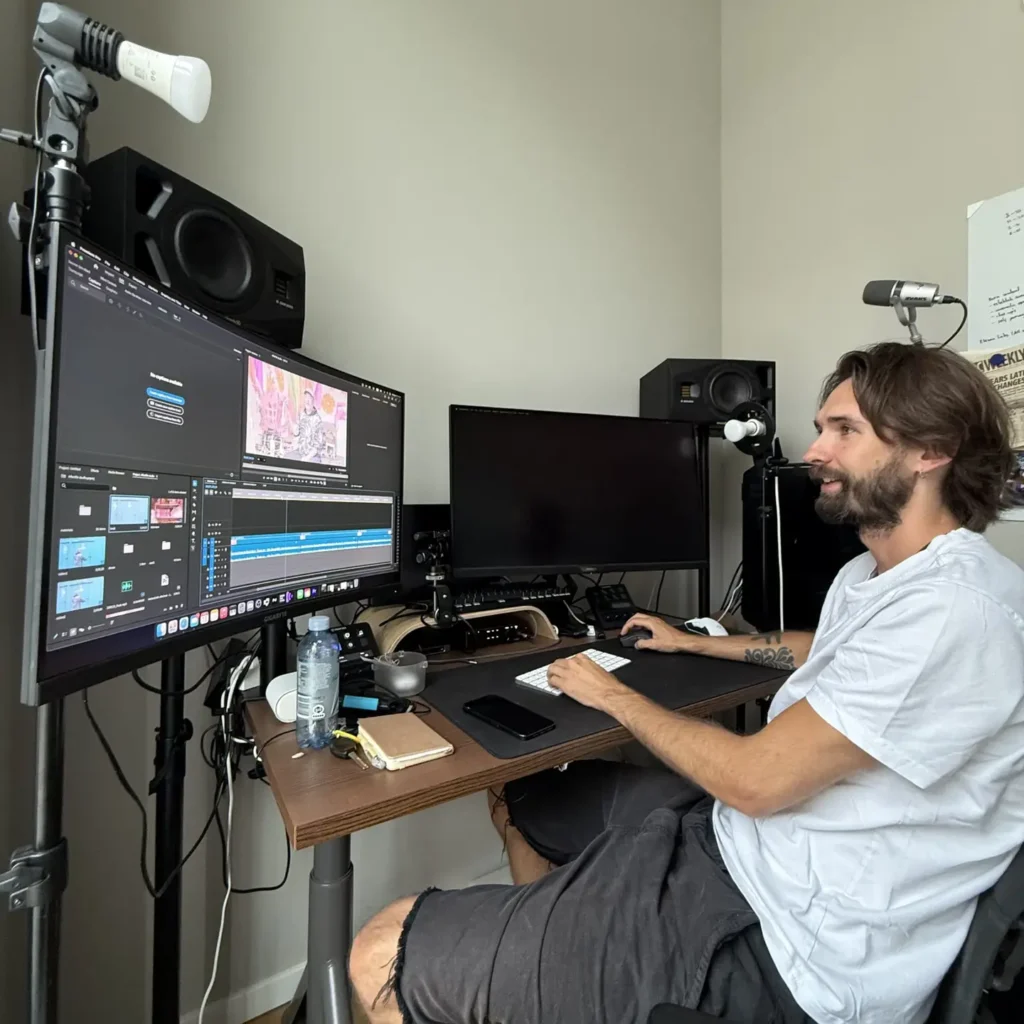
Phase 2: Filming and Production (1–5 Days)
Filming itself is often the shortest part of the timeline.
Enterprise productions may include:
- Executive interviews
- Event or conference coverage
- Panel recordings and testimonials
- B-roll and branded visuals
Production length depends on scope, locations, and complexity – but most enterprise projects are filmed within a few concentrated days.
For event-based projects, production may happen within a single day, especially when combined with event video production.
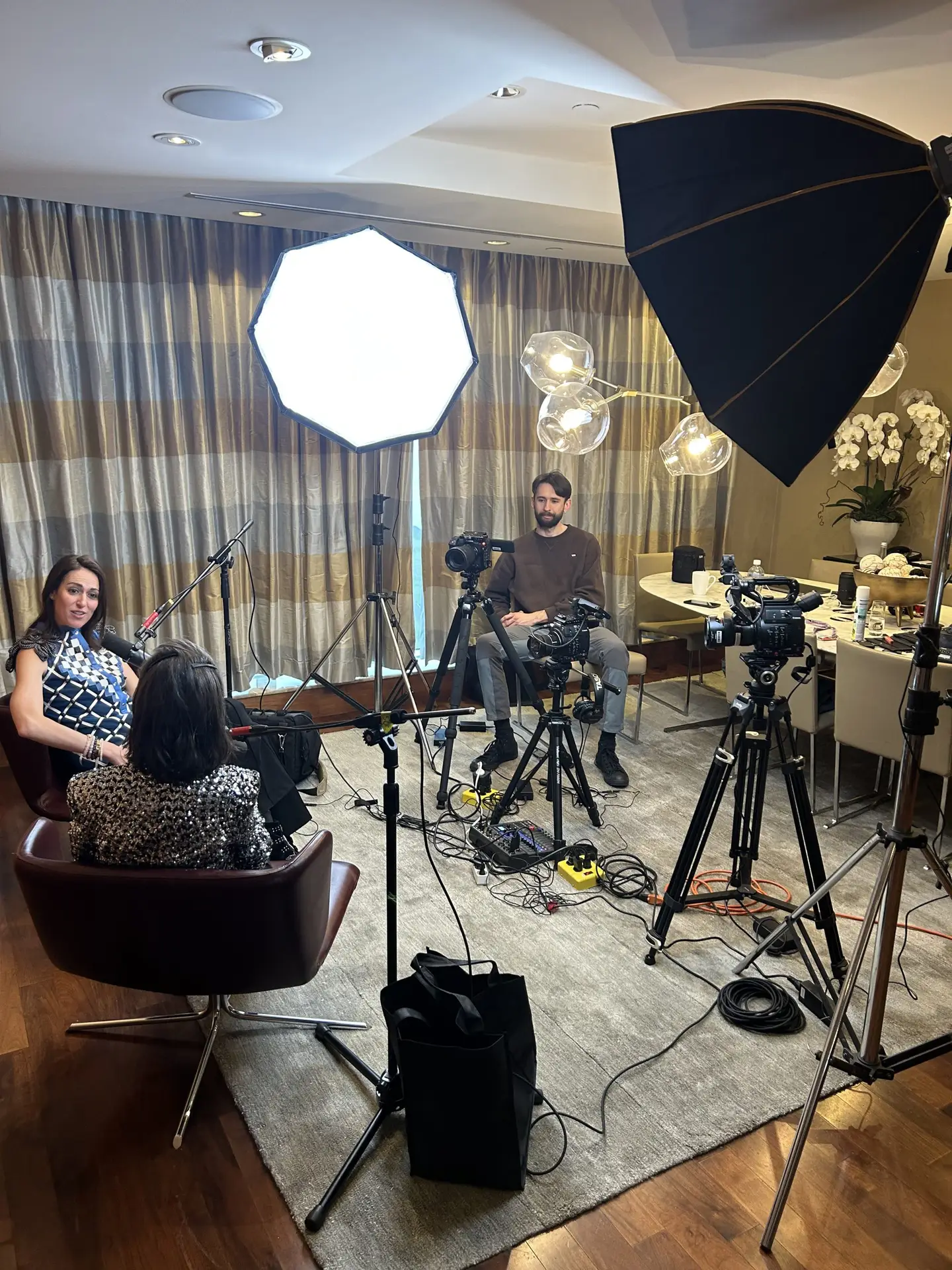
Phase 3: Editing and Post-Production (1–4 Weeks)
Post-production is where timelines often expand – or stay efficient.
This phase includes:
- Initial edit and structure
- Sound design and color grading
- Graphics or subtitles
- Review rounds and feedback
Enterprise timelines are often extended by internal review cycles rather than technical editing time.
Clear feedback loops and designated decision-makers significantly reduce delays.
Where speed matters, efficient workflows – including selective use of AI – help support faster turnaround without compromising quality. This balance is explored further in our article on AI video editing in event video production.
Events and Compressed Timelines
Events often require faster delivery.
Same-day or next-day edits are common when brands want to publish while attention is high.
This requires:
- Pre-planned formats
- On-site editing workflows
- Clear publishing priorities
A strong example of this approach is our work around side events at Cannes Lions, where content was captured and structured as a social-first content system rather than a single recap.
You can read the full case here:
How We Filmed Cannes Lions Side Events with Culture3 – A Brand Content Approach.
Phase 4: Distribution and Activation (Ongoing)
In 2026, delivery is not the end of the timeline.
Enterprise video content is often distributed across:
- LinkedIn and social platforms
- Websites and landing pages
- Sales and investor presentations
- Internal communication
This is why distribution planning should be part of the original timeline, not an afterthought.
For platform-specific insights, the LinkedIn Marketing Solutions Blog provides useful guidance on video performance and publishing cadence.
Typical Enterprise Video Timelines at a Glance
- Simple testimonial or interview: 2–4 weeks
- Corporate brand video: 4–8 weeks
- Event-based content: 1–3 weeks (or same-day highlights)
- Multi-format content systems: ongoing delivery
These timelines assume clear strategy, aligned stakeholders, and realistic expectations.
Final Thoughts: Timelines Follow Clarity
Enterprise video production timelines are rarely delayed by cameras or editing software.
They are delayed by unclear goals, late decisions, and missing distribution plans.
When strategy, production, and distribution are aligned early, video timelines become predictable – and results improve.
At 5 ALIVE MEDIA, we help brands plan video production timelines that work in the real world, whether for corporate communication, events, or social-first content.
Leave a Reply