

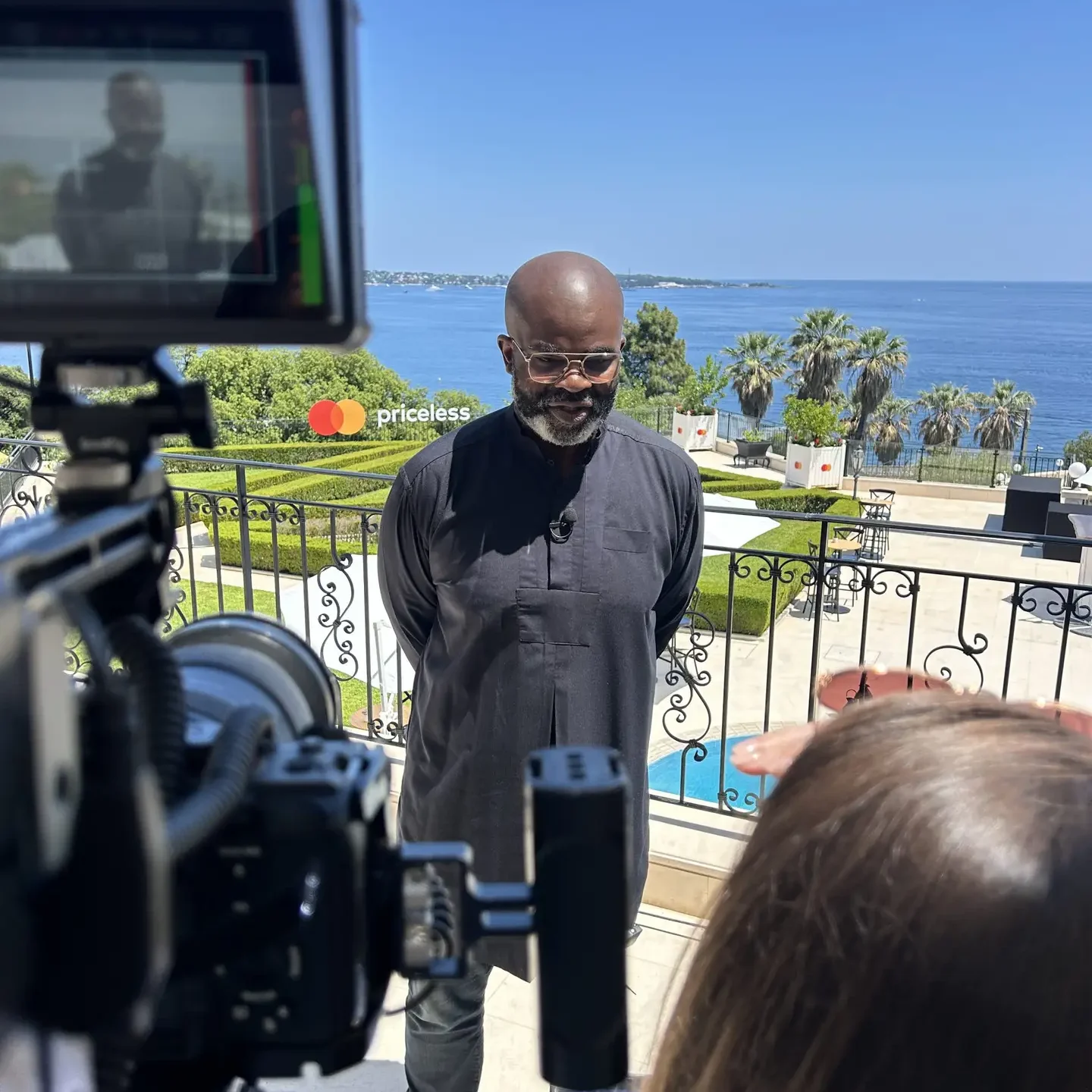
Social-First Video Content for Brands in 2026 – From Production to Distribution
In 2026, the question is no longer whether brands should invest in video.
The real question is whether that video is designed to work on social platforms – or whether it’s simply being repurposed there as an afterthought.
Across corporate, event, and enterprise communication, we’re seeing a clear shift: the brands getting the most value from video are those that plan content social-first from the very beginning – not at the edit stage.
At 5 ALIVE MEDIA, this approach has become central to how we work with brands across Copenhagen, the Nordics, and international markets. Social-first video content is no longer a format – it’s a strategy that connects production, distribution, and performance.
This article breaks down what social-first video content really means in 2026, how brands apply it in practice, and why it’s now essential for visibility and relevance.
Key takeaways
- Social-first video content is planned for platforms before filming starts
- Production, editing, and distribution are now one connected workflow
- Events are becoming the strongest source of social-first content
- LinkedIn has emerged as a primary platform for enterprise video
- Consistency and clarity outperform cinematic excess on social
What “Social-First” Actually Means in 2026
Social-first video content is often misunderstood as “short videos for social media.” In reality, it’s about intentional design.
A social-first approach means that before the camera is turned on, teams already know:
- Which platforms the content is for
- Which formats will be needed (vertical, square, horizontal)
- What message needs to land in the first three seconds
- How the video will be consumed – with or without sound
This changes how content is filmed, framed, and edited. It also changes what success looks like.
Why Traditional Corporate Videos Struggle on Social
Many corporate videos are still produced for websites, presentations, or internal use first – and only later cut down for social.
The result is familiar:
- Slow openings
- Wide shots that don’t translate on mobile
- Messages that take too long to land
- Videos that feel “corporate” rather than human
On social platforms, especially LinkedIn, audiences decide within seconds whether to keep watching. Videos that don’t respect that reality are quickly scrolled past.
This is why social-first video production has become a core part of modern corporate video production.
LinkedIn as a Primary Platform for Social-First Video
For enterprise and B2B brands, LinkedIn has emerged as the most important platform for social-first video content.
In 2026, LinkedIn video is used for:
- Leadership positioning
- Event recaps and highlights
- Short testimonials and soundbites
- Employer branding
What performs best is not high-gloss advertising, but clear, credible communication. Calm delivery, direct language, and human presence consistently outperform overproduced edits.
For platform-specific insights, the LinkedIn Marketing Solutions Blog offers useful context on how video builds reach and trust in professional environments.
Events as Social-First Content Engines
One of the biggest shifts we’ve seen is how events are now treated as content opportunities rather than one-off moments.
Conferences, summits, and brand activations naturally generate:
- Short speaker insights
- Panel soundbites
- Atmosphere and behind-the-scenes moments
- Authentic testimonials
When captured with social platforms in mind, this material becomes a steady stream of publishable content.
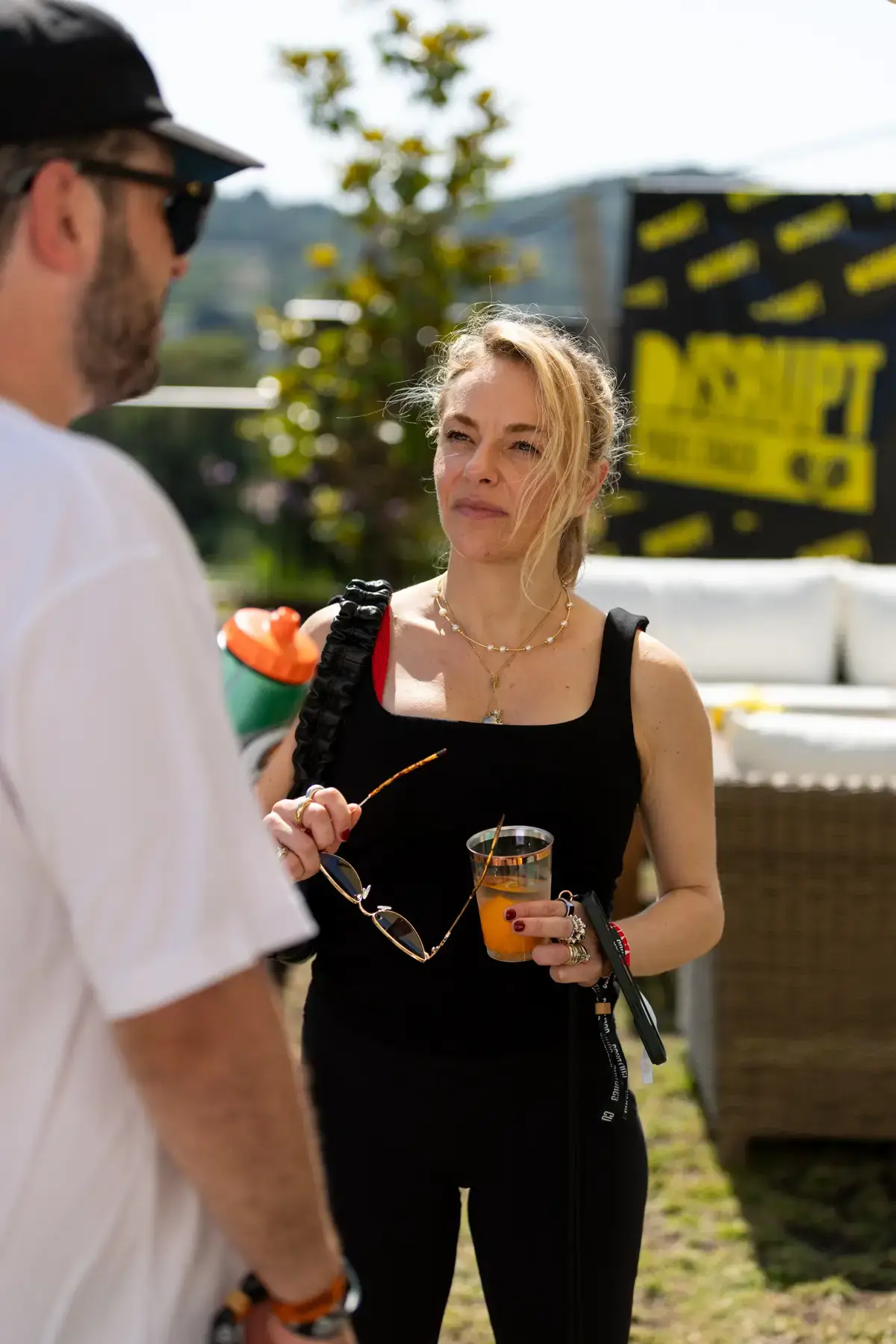
A strong example of this approach is our work around side events at Cannes Lions, where content was captured not as a recap, but as a living content system designed for social distribution.
You can read more about this approach in our case article:
How We Filmed Cannes Lions Side Events with Culture3 – A Brand Content Approach.
How Production Changes When Social Comes First
Planning for social-first video content affects production in subtle but important ways.
We often adjust:
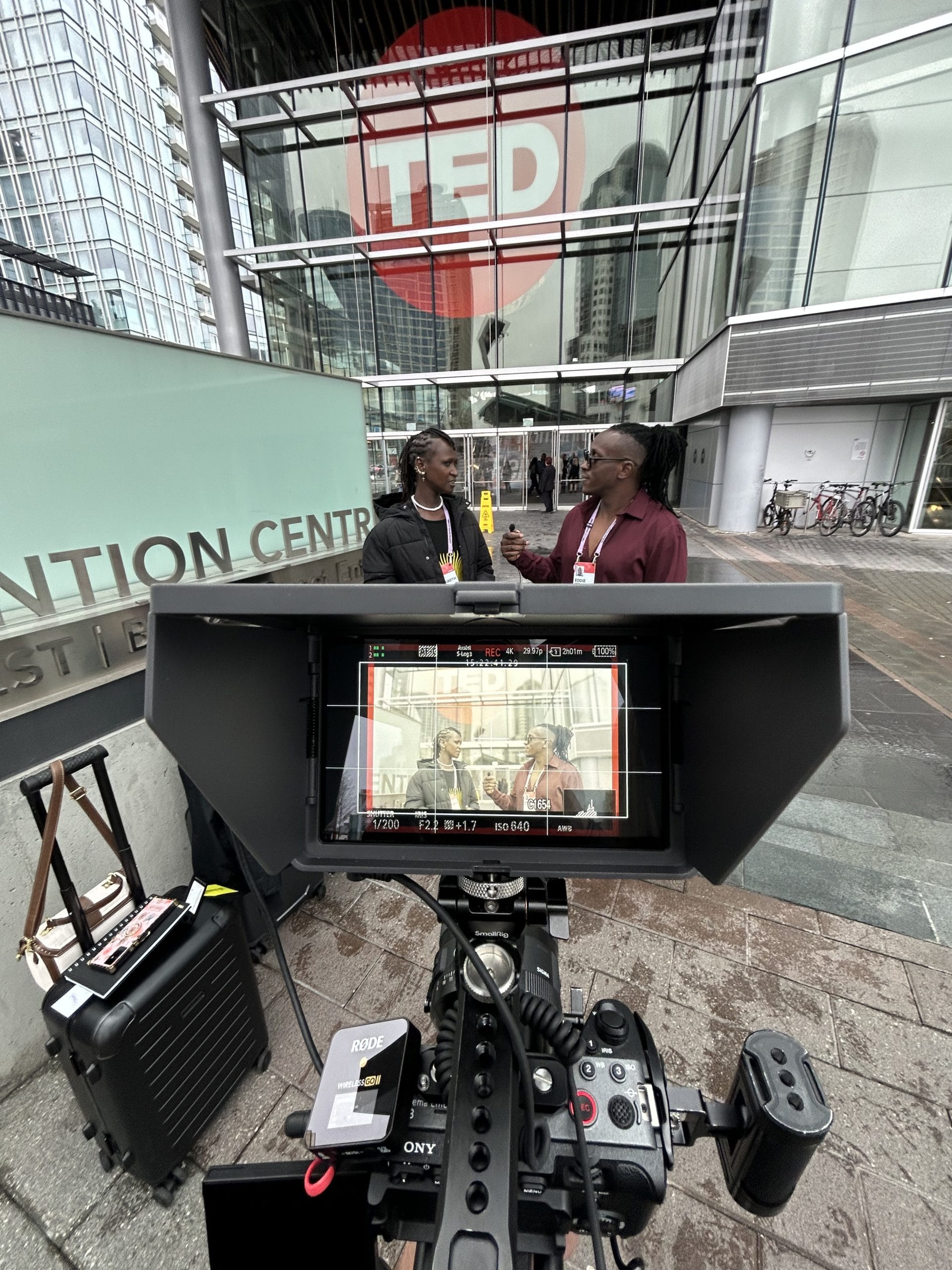
- Camera framing to prioritize vertical and close shots
- Lighting for clarity on small screens
- Audio capture for clean subtitles and captions
- Shooting schedules to allow for fast turnarounds
This doesn’t reduce production quality. It increases relevance.
The goal is not to compromise cinematic standards, but to ensure that what’s filmed actually performs where it’s published.
Editing, Speed, and the Role of AI
Social-first video content also requires speed.
The first 24–48 hours after an event or announcement are often the most valuable attention window. Brands that publish while the conversation is still active consistently outperform those that wait.
This is where efficient editing workflows – including selective use of AI – support scale without removing the human feel.
We explore this balance in more depth in our article on
AI video editing in event video production, where speed and authenticity must coexist.
Distribution Is Part of the Creative Process
In 2026, social-first video content doesn’t end with export.
Strong distribution planning considers:
- Platform-specific captions
- Publishing cadence
- Audience context
- Reusability across campaigns
This is why social-first thinking aligns naturally with the broader event video production and content strategy work we support.
Final Thoughts: Social-First Is a Mindset, Not a Format
Social-first video content in 2026 is not about chasing trends or copying platform styles.
It’s about respecting how people consume content today – and designing production systems that meet them where they are.
At 5 ALIVE MEDIA, we help brands plan, produce, and distribute video content that works on social platforms without losing clarity, credibility, or identity.
If you’re looking to turn your next production or event into a social-first content engine, we’re happy to explore how to approach it strategically.
Leave a Reply