

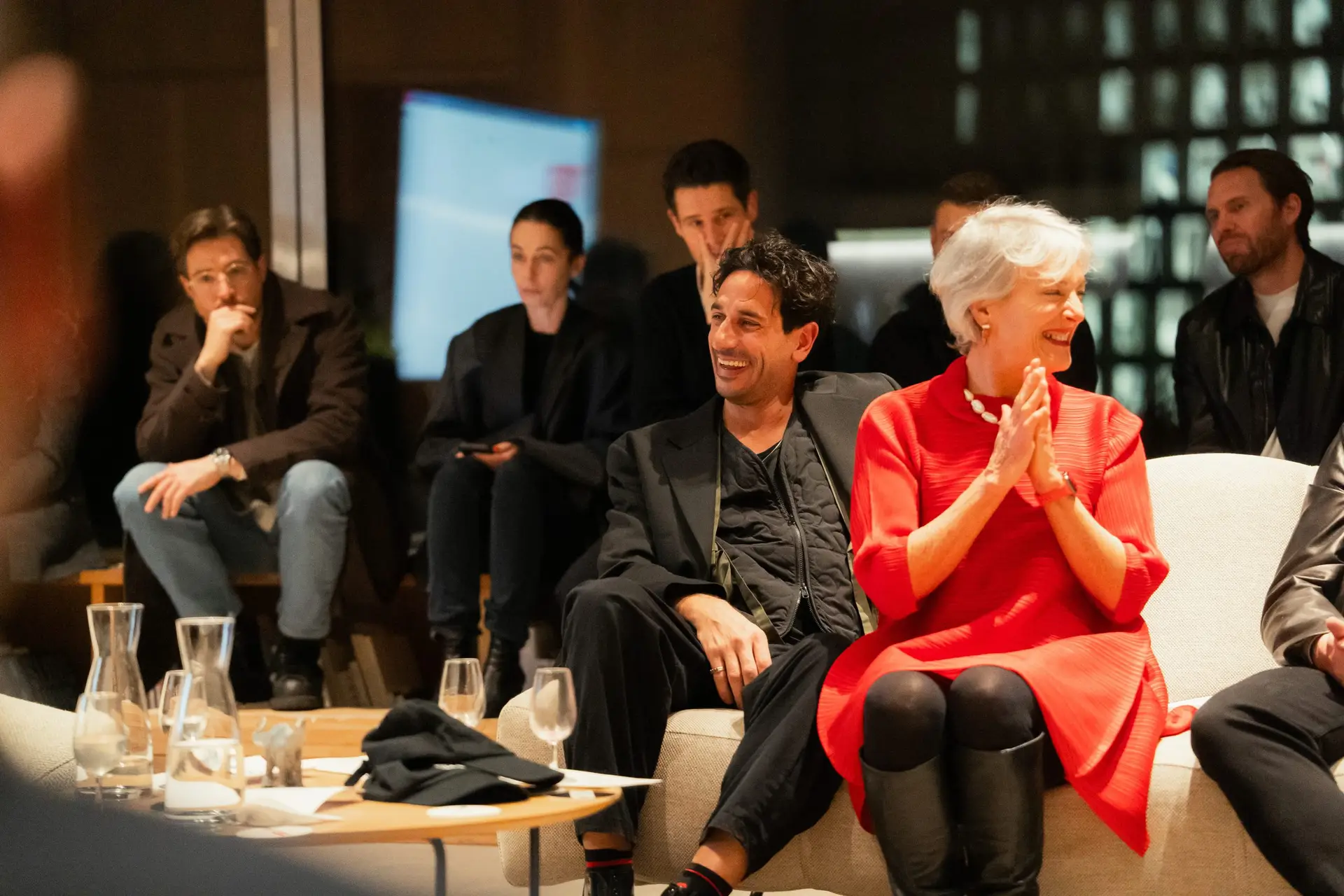
Event Branding Strategy in 2026 – Immersive, Sustainable, On-Brand Events
Key takeaways
- Event branding in 2026 is a strategic discipline, not visual decoration
- Immersive events are designed with experience, content, and distribution in mind
- Sustainability and brand perception are now closely linked
- Event video and photography should be planned as long-term brand assets
- The strongest event branding strategies translate seamlessly on camera
What is an event branding strategy – really?
An event branding strategy is the intentional design of every sensory, visual, and narrative element of an event to reinforce a brand’s positioning.
- Visual identity – space, stage, lighting, screens
- Audio presence – sound design, microphones, clarity
- Human moments – speakers, conversations, audience flow
- Content capture – video, photography, podcasts
- Sustainability choices
- Distribution after the event
In other words, branding doesn’t stop when the event starts. It lives in how the event is experienced and remembered.
Why event branding matters more than ever
Live experiences create a different level of attention than most digital touchpoints. That’s why experiential marketing and brand experiences continue to be a serious investment category – not because they are “nice”, but because they build memory, emotion, and trust.
If you want a deeper view on why experiences work, these are solid references:
- Think with Google – research and insights on attention, creative effectiveness, and marketing impact
- Event Marketer – ongoing reporting on experiential marketing and event branding trends
- Bizzabo Event Marketing Blog – event strategy, attendee experience, and distribution thinking
At the same time, attention spans are shorter and audiences are increasingly selective. Events that feel generic or visually disconnected from a brand’s identity fade quickly – both in memory and online.
Immersive events are designed, not decorated
Immersion doesn’t happen by accident. It’s the result of planning how people move through a space, how speakers are framed visually, how light and sound work together, and how the event feels on camera.
This is where event branding and production merge. When branding and production teams collaborate early, events become:
- More cohesive visually
- Easier to film without disruption
- More consistent across stages and spaces
- More valuable after the event
If the event needs to live beyond the room, plan capture from day one. This is exactly what we support through our event videography and event photography services.
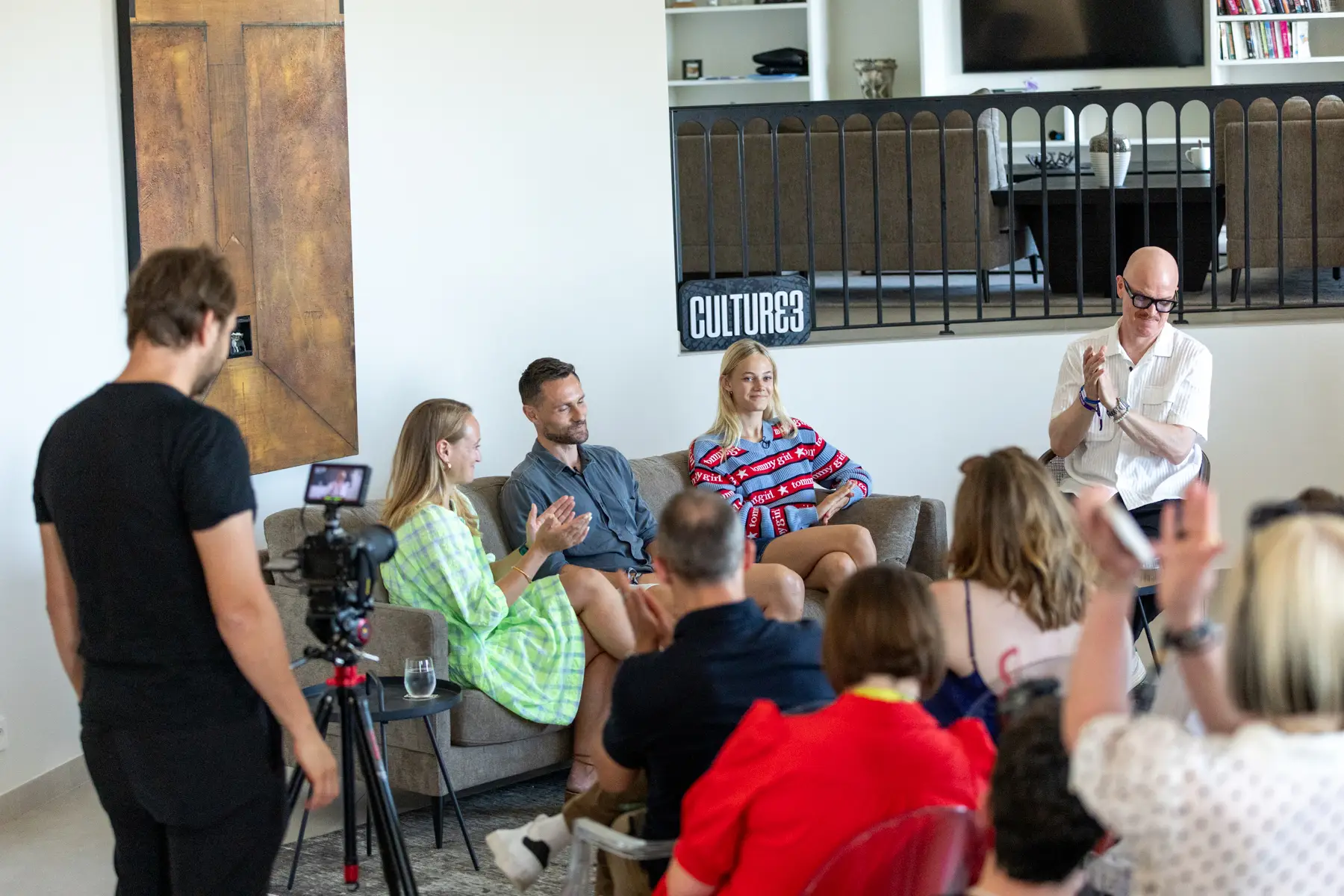
Case approach – experiential and hybrid events that travel beyond the room
Modern event branding is not limited to the people in the room. Hybrid and experiential events are designed to feel engaging live, translate visually online, and generate usable content across platforms.
When we produce event content for conferences and brand activations, we often structure capture around:
- Short-form clips for LinkedIn and social
- Leadership soundbites
- Panel recordings
- Atmosphere and brand touchpoints
- Photography for PR, internal comms, and partnerships
This turns a single event into weeks – sometimes months – of brand-aligned content. For proof-driven examples, browse the 5 ALIVE MEDIA portfolio.
If you want a concrete production reference, our work with Google at Slush is a good example of how event content can be captured in a way that stays premium, calm, and publish-ready.
Sustainability is now part of brand perception
Sustainability is no longer a side note in event branding. It’s part of how brands are judged. In 2026, sustainable event branding often includes:
- Reusable or modular stage elements
- Digital-first signage
- Efficient production workflows that reduce waste
- Content reuse instead of single-use assets
Sustainable choices don’t need to compromise aesthetics. They often lead to cleaner design, better planning, and a more consistent content output.
For practical sustainability inspiration, the International Labour Organization (ILO) and UN Sustainable Development Goals are useful starting points for the broader context many enterprise brands align with.
Event content is part of the brand strategy
One of the biggest shifts we see with enterprise and growth-stage brands is this – events are no longer planned just for attendees. They’re planned for marketing, employer branding, investor relations, internal comms, and sales enablement.
That means branding decisions must consider how the event will look on:
- YouTube
- Websites and landing pages
- Press and partner decks
- Internal platforms
This is also why we often advise teams to treat a major event like a content moment – similar to how we outline in our blog on AI video editing in event video production and our guide on what to film at an event in 2026.
Why brand consistency beats visual noise
In competitive environments, many brands try to stand out by doing more. In practice, the brands that stand out most often do less – but with intention.
A clear event branding strategy prioritizes:
- One message over many slogans
- One visual language across touchpoints
- One narrative carried through speakers, visuals, and content
This consistency makes events easier to remember and easier to recognize online afterward.
Event branding plus video equals long-term brand value
The strongest event branding strategies are built with content capture in mind. That means designing stages that film well, lighting speakers for both live audiences and cameras, planning moments worth documenting, and leaving room for real conversation.
When branding and production align, events become:
- Easier to distribute
- More engaging online
- More valuable long-term
If you want to go deeper on the distribution side, this guide is a helpful external reference:
LinkedIn Marketing Solutions Blog.
Final thoughts
In 2026, event branding is no longer about visual polish alone. It’s about creating environments that feel intentional, human, and aligned with a brand’s values – both in the room and on screen.
At 5 ALIVE MEDIA, we support brands with event video production, event photography, and content delivery systems that keep working after the event ends. If you’re planning an event and want branding, capture, and distribution to work together – we’d love to hear about it.

Roland Varsbergs
Rolands Varsbergs is the founder and Creative Director of 5 ALIVE MEDIA — a Copenhagen-based video production and photography agency. With 8+ years of production experience, he has directed and produced commercial films, event coverage and brand content for Google, Honda, Visit Denmark, TED and 100+ brands across Denmark and internationally. A certified drone pilot and Director of Photography, Rolands leads productions ranging from single-day corporate shoots to multi-day international events and studio commercial films.
Leave a Reply